
“Fashion is a curtain that unveils the frenzy of poetry.”
— Giannina Braschi
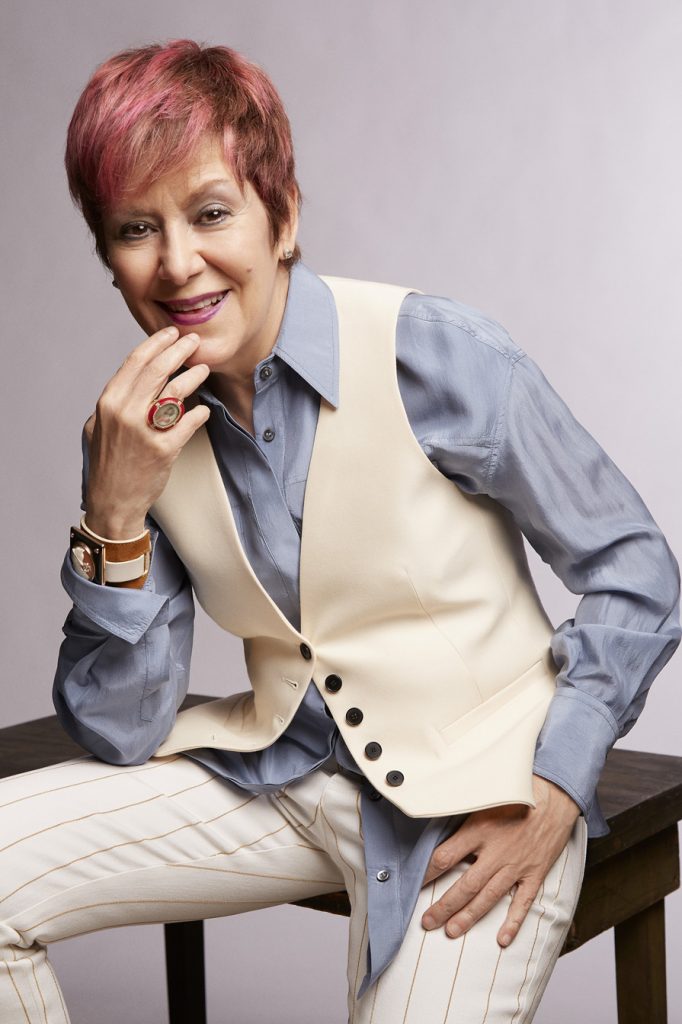
Poetry and Fashion Quotes
Poet and novelist Giannina Braschi explores fashion through haute couture, street life, classical mythology, and literary invention—treating style as a language, a public spectacle, and an expression of social change.
Fashion, Myth, and the Creation of Symbols
In an interview for Nylon China’s “Journey to the Future” edition, Braschi traces fashion back to the mythic shields forged for Achilles and Aeneas:
“Fashion became an event when the god Hephaestus fashioned the Shield of Achilles in Homer’s Iliad and when the god Vulcan fashioned the Shield of Aeneas in Virgil’s Aeneid. The poets Homer and Virgil fashioned those shields with an extraordinary language of beauty and might.
“I’m not only interested in the use of classical symbols. I’m very interested in symbols that are not yet recognized as symbols. In other words, I’m interested in the creation of new symbols, new languages, and new meanings for our times.”
Fashion as Public Art
Braschi brings this mythic idea of fashion into the contemporary city. Her imagined runway belongs to the streets and to the people moving through them.
“Style should always be fluid. It often expresses the fluidity of the individual, but not always the collective. I want the collective to be expressed in my work—in the fashion world—in all worlds. I would like to stage a fashion show in the city streets where the night and day are condensed as one. We would see at once what people wear at night, and what they wear in the day. What they wear in the sun and in the rain. There will come a time when we have the four seasons in one day.
“I would have the designer dress all types of people in motion: the construction workers, the waiters, the taxi drivers, the fireman, the porters, the businessmen, the students, the singers, the actors, the delinquents, the pregnant women, the children. The runway would be intersecting with the dangers of the motorcycles, ambulances, buses, and cars. The fashion runway would have demonstrations, revolts, and show the discontent of the people in the streets. Fashion as an artform should not be satisfied with the goal of selling products, but with how to manifest society in all its ups and downs, and in its tumult, and transformations. Only if this happens is fashion a revolution.”
Fashion Week: Style and the Collective Mood
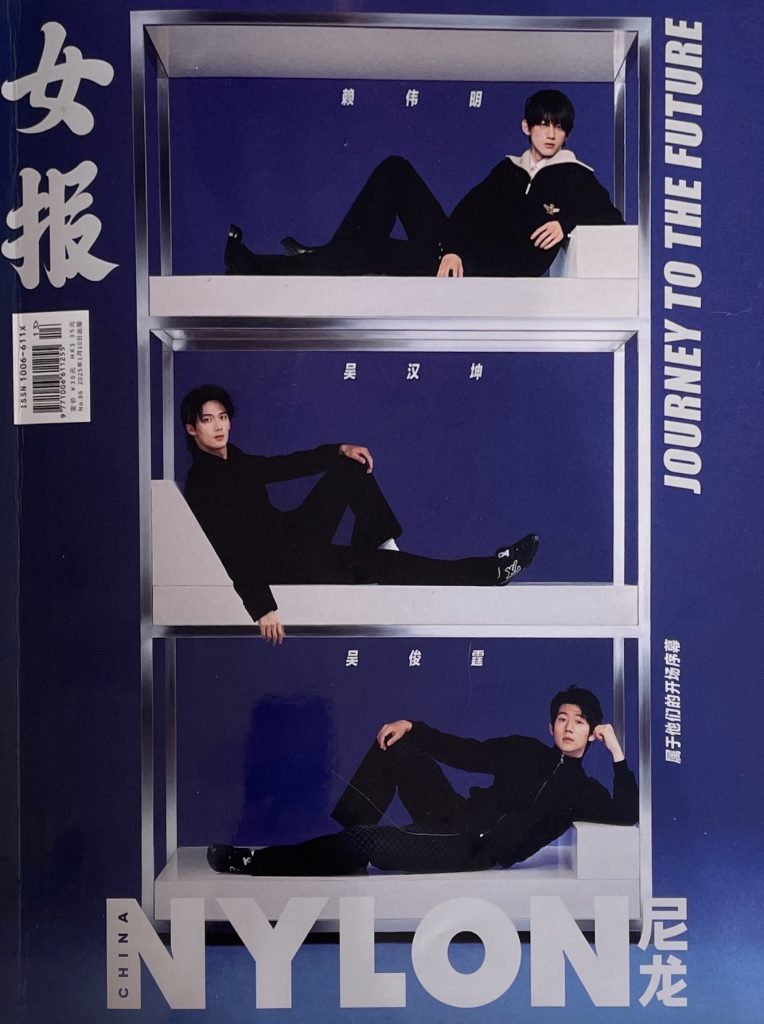
Braschi’s vision offers an expansive way to think about New York, London, Milan, and Paris Fashion Week. She asks what Fashion Week reveals about the collective mood—and whether today’s design can manifest society in all its contradictions.
Her imagined street runway includes workers, students, performers, pregnant women, children, traffic, ambulances, demonstrations, and revolts. Fashion enters public life and encounters the world beyond the showroom. Style becomes not only an expression of individual identity but also a moving portrait of the social moment.
For designers, editors, cultural critics, and fashionistas, here are five Braschian observations about fashion and poetry.
Five Quotes on Fashion and Poetry
- “Fashion is a curtain that unveils the frenzy of poetry.”
- “Fashion offers us clues of the collective mood. Its frivolity is important because it makes light of what is heavy. Everything good in life has light or wants to become light.”
- “Poetry and fashion hinge on those transitions between impermanence and permanence.”
- “I want poetry to be a fashion show—to have a taste of frivolity—savoir faire—a taste of time at its peak—Kenzo, Gigli, and Gaultier. I’m more excited by Bergdorf’s windows than the contemporary poetry I’ve read.” —From Yo-Yo Boing!
- “Fashion and poetry require humor and taste. We are the makers of manners, and manners require a clear expression of style. We capture the mood of our time and the fluidity.”
A Critical View of Braschi’s Literary Aesthetic
In the scholarly anthology Poets, Philosophers, Lovers: On the Writings of Giannina Braschi, scholar Frederick Luis Aldama describes the cultural reach of Braschi’s experimental writing style:
“Giannina Braschi smuggles into a US imagination a sensibility created in and across a hemispheric Américan history, aesthetic, and culture.”
Braschi’s fiction moves between languages, genres, historical periods, and cultural worlds. Whether she is writing of mass migration, mass incarceration or the power of love, her works reflect the aesthetics and sensibility of the latest turns in fashion and the very essence of design thinking.
Poetry in Fashion: The Putinoika Collection
The relationship between clothing and literature continues in the Putinoika Collection, which translates the energies of Braschi’s writing into wearable forms.
Explore Putinoika by Giannina Braschi and the fashion collection inspired by its characters, symbols, and theatrical world.
Famous Fashion Sayings by Poets and Philosophers
If you enjoyed this post on fashion and poetry quotes, continue on to Fashion Sayings by Poets and Philosophers, such as Immanuel Kant, Oscar Wilde, Virginia Woolf, and Charles Baudelaire.
Editorial note: This article was prepared by the editorial team of this site. Giannina Braschi’s own words appear only in the quotations and interview excerpts attributed to her.
Last reviewed and updated: August 29, 2026