
Latin American Women Authors, Poets, Playwrights, Novelists, Philosophers
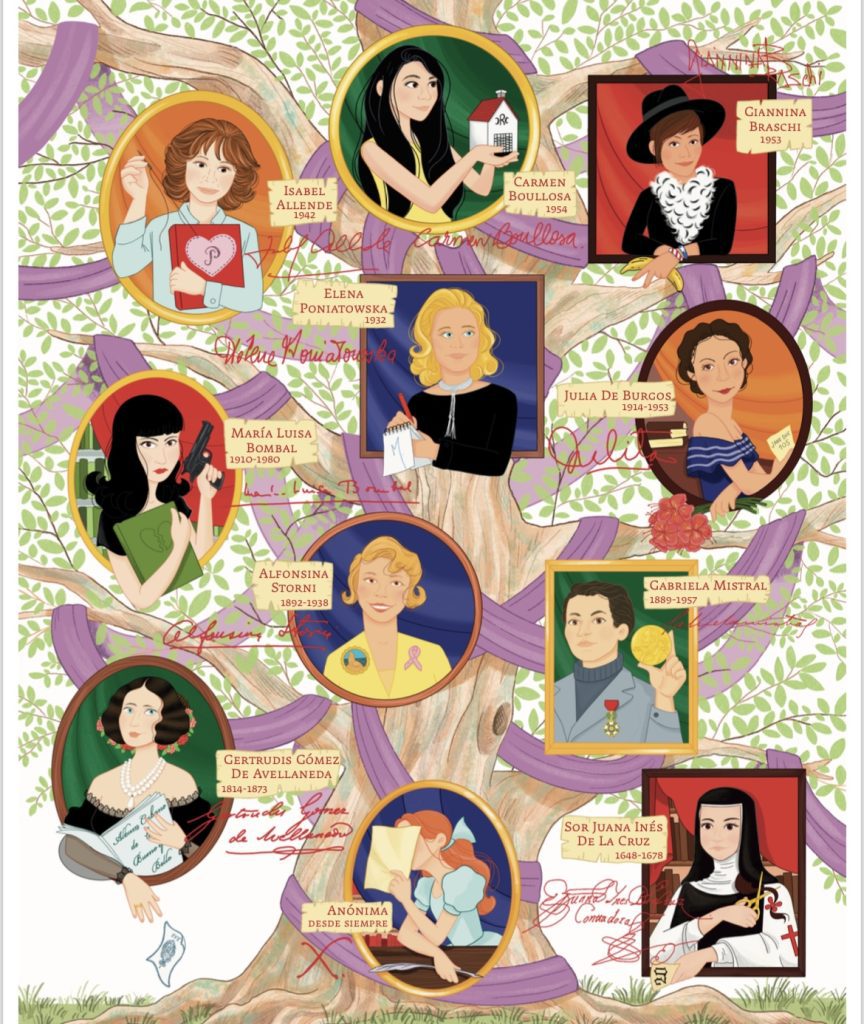
Famous Latin American Women Authors
Famous Latin American women authors have long been at the forefront of literary innovation, philosophical thought, and social advocacy. From 17th-century intellectual pioneers like Sor Juana Inés de la Cruz to contemporary diaspora writers reshaping fiction, theater, and poetry, these voices capture the complexities of history, resistance, and artistic freedom across borders.
Featured in the Spanish art exhibition Letras Ilustradas, the artwork depicts these famous Latin American women authors in visual order:
- Isabel Allende (b. 1942, Chile)
- Carmen Boullosa (b. 1954, Mexico / U.S.)
- Giannina Braschi (b. 1953, Puerto Rico / U.S.)
- Elena Poniatowska (b. 1932, Mexico)
- María Luisa Bombal (1910–1980, Chile)
- Julia de Burgos (1914–1953, Puerto Rico)
- Alfonsina Storni (1892–1938, Argentina)
- Gabriela Mistral (1889–1957, Chile)
- Gertrudis Gómez de Avellaneda (1814–1873, Cuba / Spain)
- Sor Juana Inés de la Cruz (1648–1695, New Spain / Mexico)
- Anonymous (since forever)
Sor Juana Inés de la Cruz transformed the supposedly private and ordinary world assigned to women into a site of scientific observation and philosophical thought. Writing in defense of women’s intellectual freedom in Respuesta a Sor Filotea de la Cruz, she delivered one of the sharpest lines in Latin American literary history:
“Si Aristóteles hubiera guisado, mucho más hubiera escrito.”
“Had Aristotle cooked, he would have written much more.”
—SOR JUANA INÉS DE LA CRUZ, RESPUESTA A SOR FILOTEA DE LA CRUZ (1691)
Latin American Women Writers: Anthologies
These Are Not Sweet Girls: Latin American Women Poets
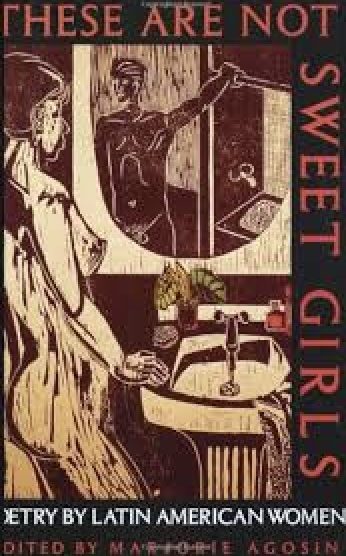
Edited by Marjorie Agosín and published in 1994, These Are Not Sweet Girls: Poetry by Latin American Women remains a monumental anthology in translated literature. Bringing together more than fifty distinct authors, the collection established a vital bridge for Latin American women’s poetry into the English-speaking world.
Featured poets include:
- Marjorie Agosín, Editor (b. 1955, Chile / U.S.)
- Delmira Agustini (1886–1914, Uruguay)
- Claribel Alegría (1924–2018, Nicaragua / El Salvador)
- Gioconda Belli (b. 1948, Nicaragua)
- Giannina Braschi (b. 1953, Puerto Rico / U.S.)
- Julia de Burgos (1914–1953, Puerto Rico)
- Teresa Calderón (b. 1955, Chile)
- Rosario Castellanos (1925–1974, Mexico)
- Alicia Galaz Vivar (1936–2003, Chile)
- Dulce María Loynaz (1902–1997, Cuba)
- Cecília Meireles (1901–1964, Brazil)
- Gabriela Mistral (1889–1957, Chile)
- Olga Nolla (1938–2001, Puerto Rico)
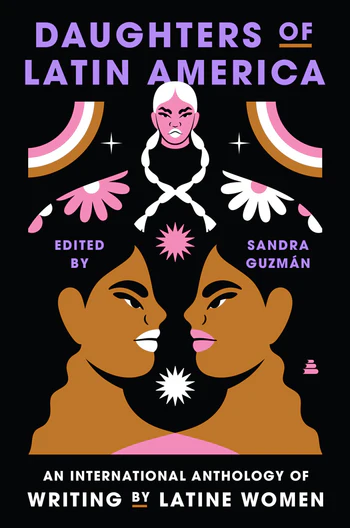
Daughters of Latin America: An International Anthology of Writing by Latine Women
Published in 2023 and edited by Sandra Guzmán, Daughters of Latin America: An International Anthology of Writing by Latine Women is a sweeping, multi-genre compilation. Spanning 500 years of literary history, the volume gathers over 140 intergenerational writers, scholars, and activists—from Indigenous storytellers to contemporary diaspora figures—across prose, poetry, essays, and speeches.
Featured writers include:
- Elizabeth Acevedo (b. 1988, U.S.)
- Julia Alvarez (b. 1950, U.S.)
- Gioconda Belli (b. 1948, Nicaragua)
- Carmen Boullosa (b. 1954, Mexico / U.S.)
- Giannina Braschi (b. 1953, Puerto Rico / U.S.)
- Norma Cantú (b. 1947, U.S.)
- Ana Castillo (b. 1953, U.S.)
- Sandra Cisneros (b. 1954, U.S.)
- Angie Cruz (b. 1972, U.S.)
- Edwidge Danticat (b. 1969, Haiti / U.S.)
- Julia de Burgos (1914–1953, Puerto Rico)
- Laura Esquivel (b. 1950, Mexico)
- Conceição Evaristo (b. 1946, Brazil)
- Mayra Santos-Febres (b. 1966, Puerto Rico)
- Cristina Rivera Garza (b. 1964, Mexico / U.S.)
- Claudia Salazar Jiménez (b. 1976, Peru)
- Jamaica Kincaid (b. 1949, Antigua / U.S.)
- Gabriela Mistral (1889–1957, Chile)
- Celeste Mohammed (b. 1977, Trinidad and Tobago)
- Cherríe Moraga (b. 1952, U.S.)
- Angela Morales (b. 1966, U.S.)
- Nancy Morejón (b. 1944, Cuba)
- Anaïs Nin (1903–1977, France / Cuba / U.S.)
- Alejandra Pizarnik (1936–1972, Argentina)
- Yolanda Arroyo Pizarro (b. 1970, Puerto Rico)
- Elena Poniatowska (b. 1932, Mexico)
- Laura Restrepo (b. 1950, Colombia)
- Esmeralda Santiago (b. 1948, Puerto Rico / U.S.)
- Ana María Shua (b. 1951, Argentina)
- Elisabet Velasquez (b. 1986, U.S.)
- Helena María Viramontes (b. 1954, U.S.), and many more.
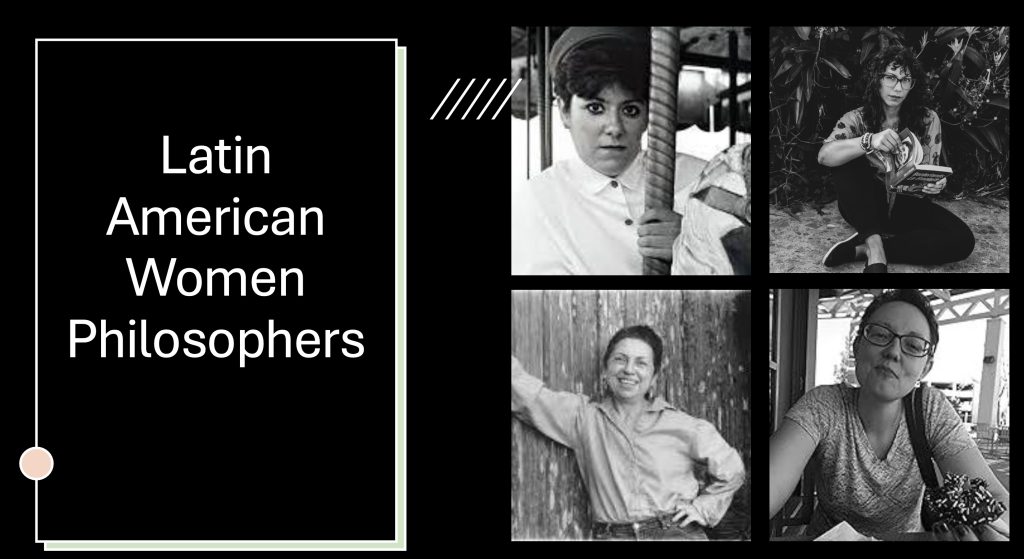
Latin American Women Philosophers at-a-Glance
Beyond literature, these influential thinkers forged groundbreaking paths in feminist ethics, decolonial theory, and political philosophy:
- Gloria Anzaldúa (1942–2004, U.S.): Leading cultural theorist and key figure in the Chicana movement and queer theory, famous for Borderlands/La Frontera.
- Giannina Braschi (b. 1953, Puerto Rico / U.S.): Contemporary poet-philosopher writing on Puerto Rican independence, “feardom,” language freedom, and late-stage American empire.
- Sor Juana Inés de la Cruz (1648–1695, New Spain / Mexico): Baroque polymath, poet, and philosopher known as the “Tenth Muse,” who famously championed women’s right to education and intellectual freedom.
- Nísia Floresta (1810–1885, Brazil): Brazilian educator, philosopher, and early advocate for women’s education and rights.
- Graciela Hierro (1928–2003, Mexico): Pioneer who introduced feminist ethics and philosophy into Mexican university curricula.
- María Lugones (1944–2020, Argentina / U.S.): Influential Argentine feminist philosopher who developed key theories on coloniality of gender, race, and intersectionality.
- Susana Nuccetelli (b. 1954, Argentina / U.S.): Contemporary philosopher specializing in Latin American philosophy, epistemological justice, and Latina cultural identity.
For Gloria Anzaldúa, imagination was not an escape from material reality but one of the forces capable of transforming it. Her work joins literature, philosophy, border consciousness, and political action:
“Nothing happens in the ‘real’ world unless it first happens in the images in our heads.”
—GLORIA ANZALDÚA, BORDERLANDS/LA FRONTERA: THE NEW MESTIZA (1987)
The literary and intellectual contributions of Latin American and Latinx women writers extend far beyond traditional genres, spanning epic poetry, philosophical treatises, radical political theater, and groundbreaking anthologies. Whether writing from their native lands or navigating life across the global diaspora, these poets, novelists, playwrights, and philosophers continue to challenge power structures, expand the boundaries of literature in Spanish and English, and inspire new generations of readers and writers worldwide.
Related Reading
- Daughters of Latin America: An Anthology Reading
- “Putinas of Putin” Giannina Braschi Video
- Nuyorican Women Leaders
- Spanish Caribbean Poets
Editorial note: Curated by the Site Editors as an archival and critical resource, this post was prepared independently and does not constitute writing by Giannina Braschi. Last reviewed and updated: August 21, 2026.