
“Fashion is a curtain that unveils the frenzy of poetry.”
—Giannina Braschi
Fashion Sayings by Poets and Philosophers
Fashion may be fleeting, but writers cannot stop thinking about it. Poets, novelists, and philosophers have treated clothing as beauty, deception, social language, public theater—and occasionally as an intolerable form of ugliness.
These fashion sayings bring together the buoyancy of Giannina Braschi, the wit of Oscar Wilde, and the social thought of Virginia Woolf, Charles Baudelaire, Thomas Carlyle, Immanuel Kant, Georg Simmel, Roland Barthes, and Jean Baudrillard.
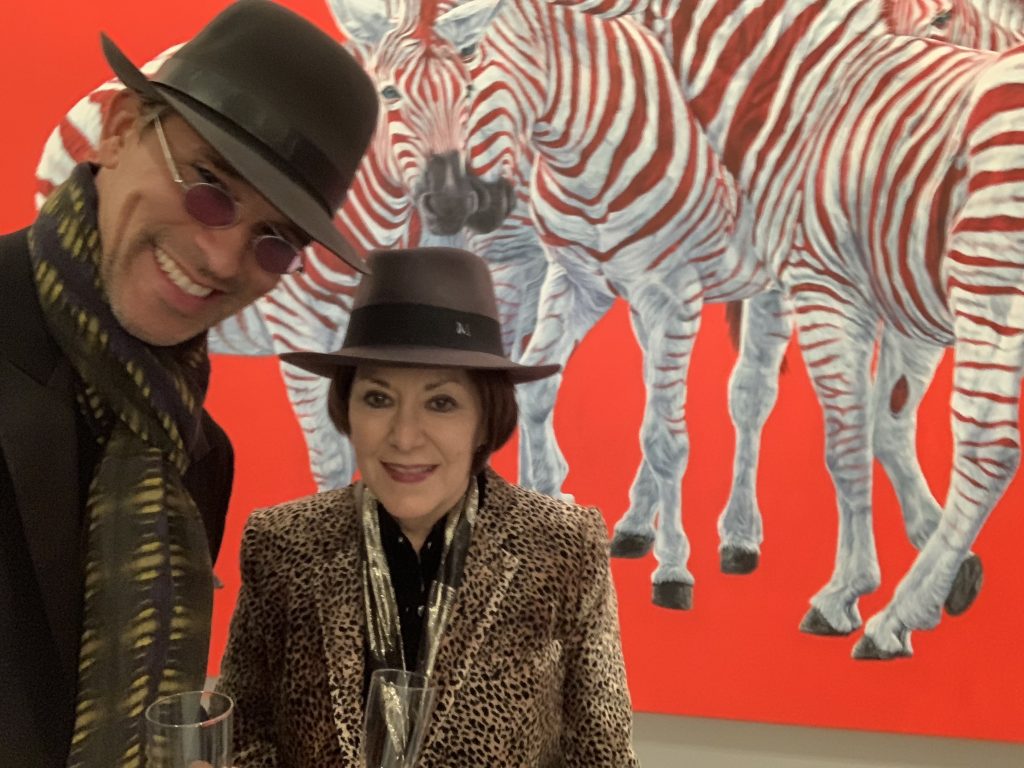
Fashion sayings by poets, novelists, and philosophers.
Giannina Braschi on Fashion and Poetry
Designer Franco Lacosta—whose work has appeared on the ABC television series The Bachelorette—interviews Puerto Rican poet Giannina Braschi about her lifelong love of fashion.

Franco Lacosta: As a teenager in San Juan, you were a tennis champion and a fashion model on the “Ten Best Dressed” list. If there were a list of the “Best Dressed Authors,” you would certainly top that list too. I am delighted to see how you pair Christian Dior and Fendi by Maria Grazia Chiuri with the latest couture by Franco Lacosta and Victor DeSouza. What is it about design that excites you?
Giannina Braschi: Fashion is a curtain that unveils the frenzy of poetry. Fashion offers us clues of the collective mood. Its frivolity is important because it makes light of what is heavy. Everything good in life has light or wants to become light.
Lacosta: Whenever I work with models, I’m always looking for their light and buoyancy. Maybe that is the dynamic duo that fashion and poetry have in common.
Braschi: Yes, plus fluidity. Poetry and fashion hinge on those transitions between impermanence and permanence. Fashion and poetry require humor and taste. We are the makers of manners, and manners require a clear expression of style. We capture the mood of our time and the fluidity.
Poets and Novelists on Fashion
Oscar Wilde
“A fashion is merely a form of ugliness so absolutely unbearable that we have to alter it every six months.”
—Oscar Wilde, “The Philosophy of Dress”
For Wilde, fashion’s relentless cycle is driven by society’s desperate urge to escape its own manufactured aesthetic fatigue.
Charles Baudelaire
“Modernity is the transitory, the fugitive, the contingent, the half of art whose other half is the eternal and the immutable.”
—Charles Baudelaire, “The Painter of Modern Life”
Bauderlaire’s poetry points to the fleeting moments of our lives while acknowledging something eternal that surrounds us.
Virginia Woolf
“Vain trifles as they seem, clothes have, they say, more important offices than merely to keep us warm. They change our view of the world and the world’s view of us.”
—Virginia Woolf, Orlando
Woolf highlights clothing as a psychological lens, altering both internal consciousness and external social power.
Giannina Braschi
“Poetry and fashion hinge on those transitions between impermanence and permanence.”
—Giannina Braschi
For Braschi, both art forms operate on the razor’s edge between fleeting trends and enduring cultural memory.
Philosophers on Fashion
Thomas Carlyle
“Society is founded upon Cloth.”
—Thomas Carlyle, Sartor Resartus
For Carlyle, clothing is not a trivial covering. It helps hold society together, creating visible signs of identity, position, and authority.
Immanuel Kant
“It is a matter of taste to follow fashion; it is a matter of vanity always to be at its forefront.”
—Immanuel Kant, Anthropology from a Pragmatic Point of View
Kant distinguishes between participating in fashion and pursuing novelty merely to attract notice.
Georg Simmel
“Fashion is the imitation of a given example and satisfies the demand for social adaptation.”
—Georg Simmel, “Fashion”
For Simmel, fashion performs two opposing tasks: it allows individuals to belong to a group while also giving them a means of distinguishing themselves from it.
Roland Barthes
“Fashion is a language.”
—Roland Barthes
Barthes studied clothing as a system of signs. Fashion communicates through colors, fabrics, silhouettes, names, and combinations—even when no words are spoken.
Jean Baudrillard
“Fashion is the pure speculative stage in the order of signs.”
—Jean Baudrillard, Symbolic Exchange and Death
For Baudrillard, fashion does not progress toward a final or ideal form. Its signs continually circulate, disappear, and return in altered forms.
Fashion as a Literary Language
These sayings approach fashion from opposing directions. Wilde ridicules its instability; Woolf recognizes its power to alter perception; Simmel sees a struggle between conformity and distinction; Barthes reads it as language; and Braschi finds poetry in its lightness and fluidity.
Fashion passes. Its meanings, arguments, and provocations remain.
For an extended collection of Braschi’s reflections on mythology, street life, style, and social change, read Fashion and Poetry Quotes.
Editorial note: This article was prepared by the editorial team of this site. Giannina Braschi’s own words appear only in the quotations and interview excerpts attributed to her.
Last reviewed and updated: August 29, 2026